
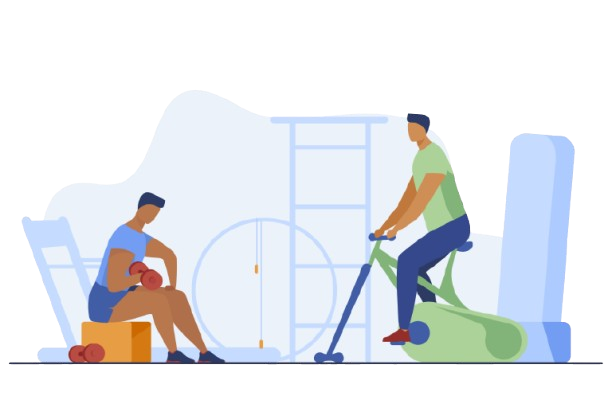
Walk all the way down just to find gym is BUSY?
Live Space is here to help you live smarter, faster, and better.
User Research Insights
We interviewed residents and observed their interactions with shared amenities to identify pain points and opportunities for improvement.

Amenity use is based on guesswork
Residents often have to guess when spaces like the gym are available, relying on habits or past experience. This makes it hard to plan and can lead to wasted time.

Booking takes too long
Reserving shared rooms is slow and inconvenient, usually requiring emails to management. The back-and-forth causes delays and uncertainty.

Hard to reach management
When management isn’t on-site, it’s difficult for residents to get help quickly. This makes booking issues and access to amenities harder to resolve.
Design Goals
Based on our research insights, we set the following design goals to guide our solution development.

Live Status
Residents want to know if a shared amenity is available before leaving their apartment.
Feature supporting this goal:
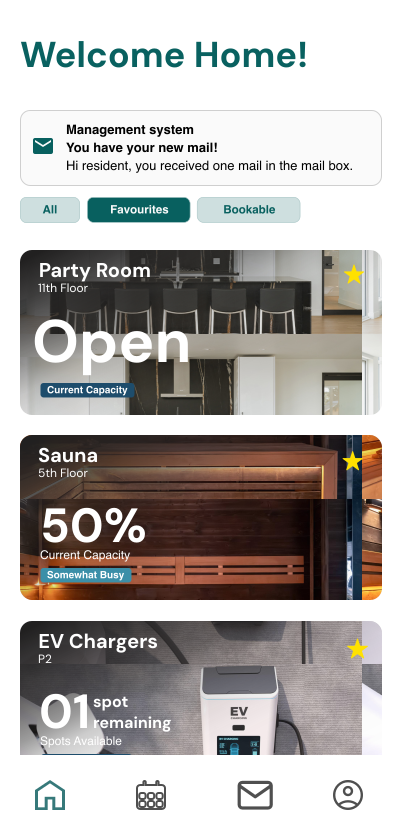
- At a glance real-time status updates in the dashboard
- Availability indicators specifying level of occupancy
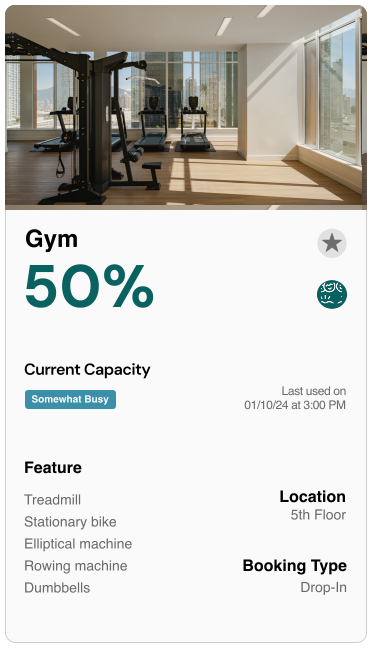
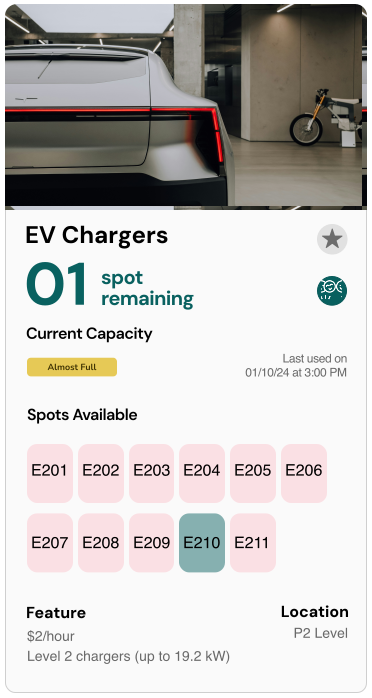
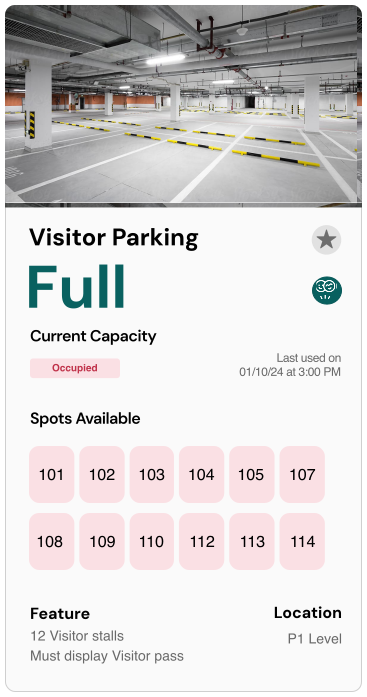
- Detail cards letting people view open spots or who has booked

Amenity Booking
Easily reserve bookable shared spaces and manage their own bookings.
Feature supporting this goal:
- Shared amenity spaces now bookable through a system
- Ability to select flexible time slots in a calendar view
- Ensure reservation confirmations

Better Connected
Staying informed and able to notify your friends within the building about your future or current activity.
Feature supporting this goal:
- At a glance real-time status updates in the dashboard
- Availability indicators specifying level of occupancy
- Detail cards letting people view open spots or who has booked
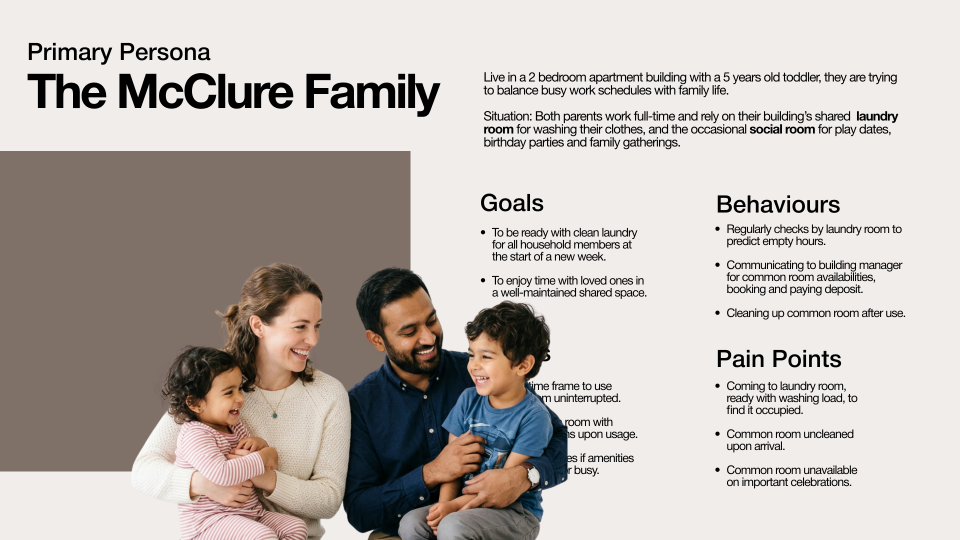
We designed for people like The McClure Family
McClure Family is a typical resident of our target demographic, with a focus on convenience and real-time information.
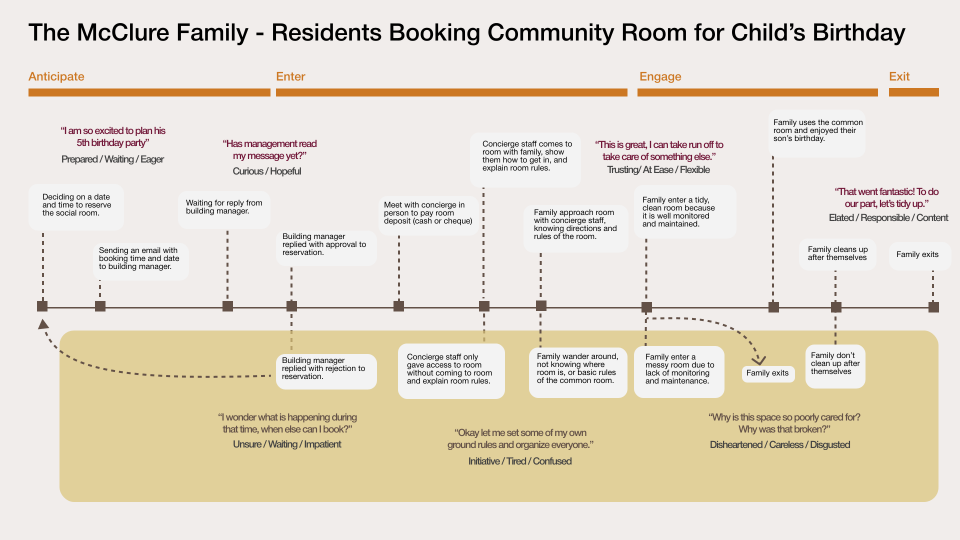
User Journey Map
We created a user journey map to visualize scenario we planned for.
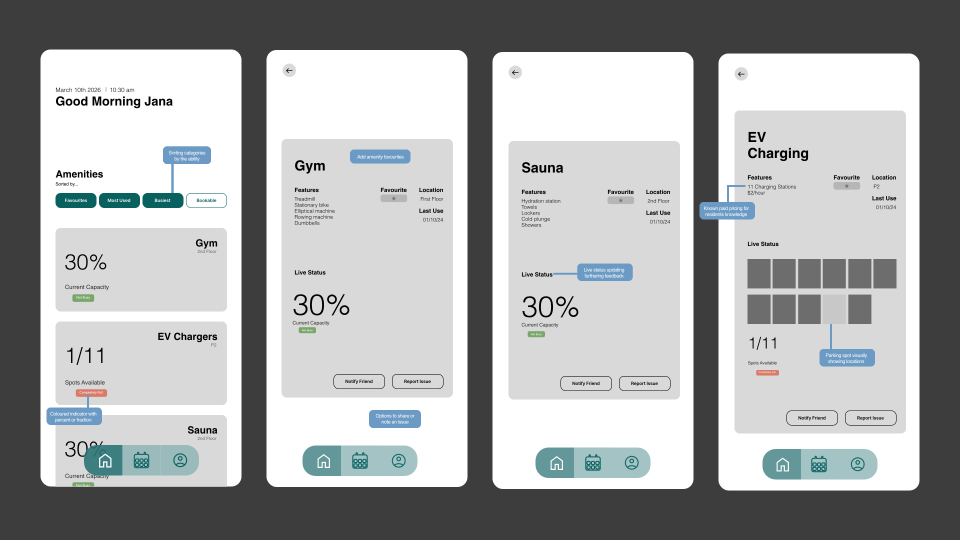
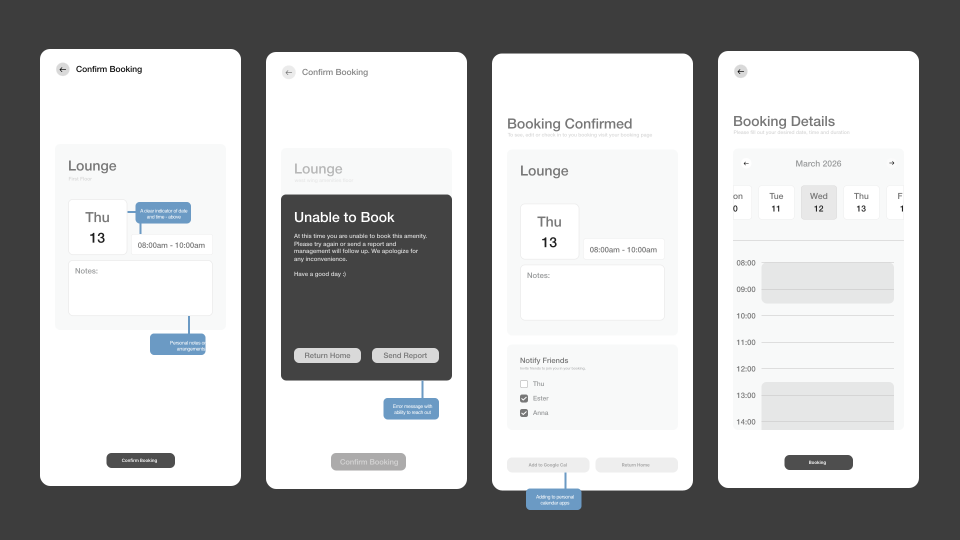
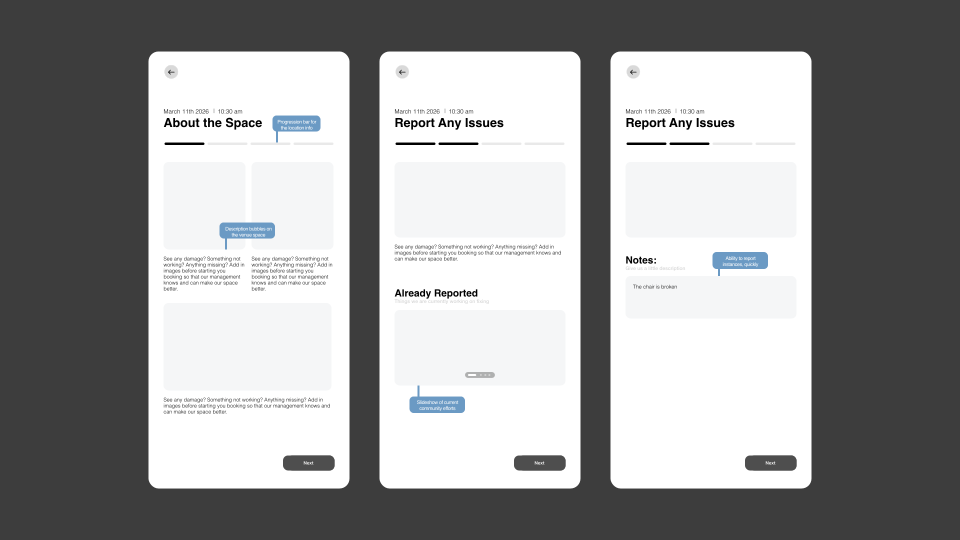
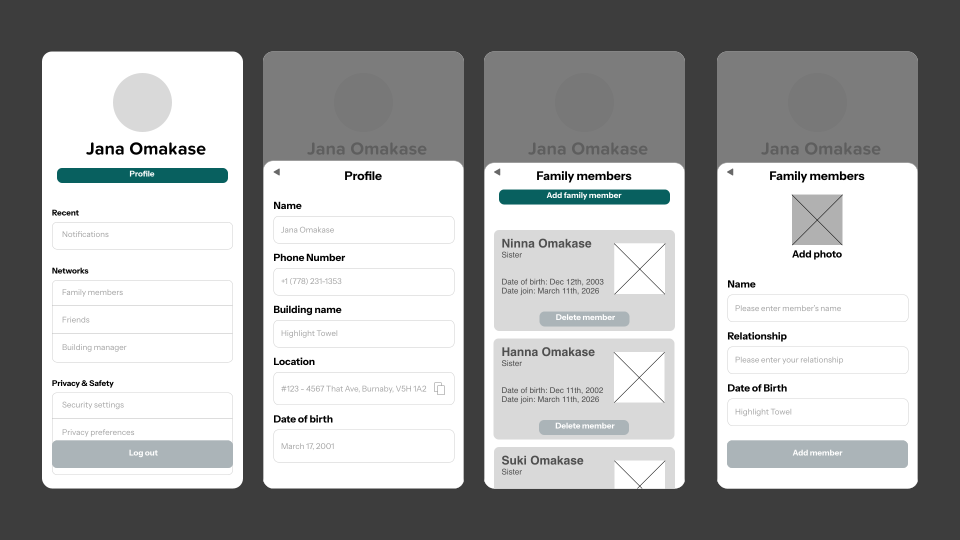
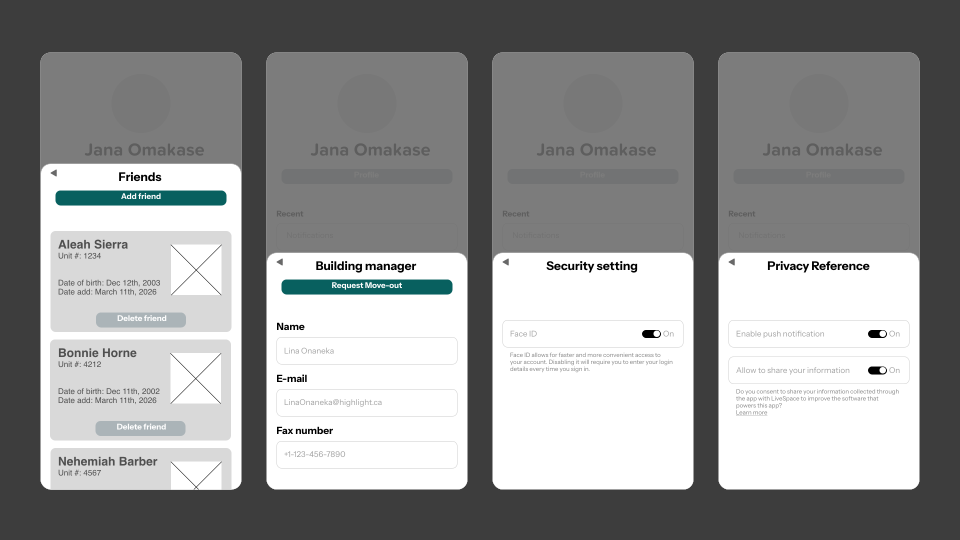
Low Fidelity Wireframes
We developed a low fidelity wireframes to explore the layout and functionality of our solution.
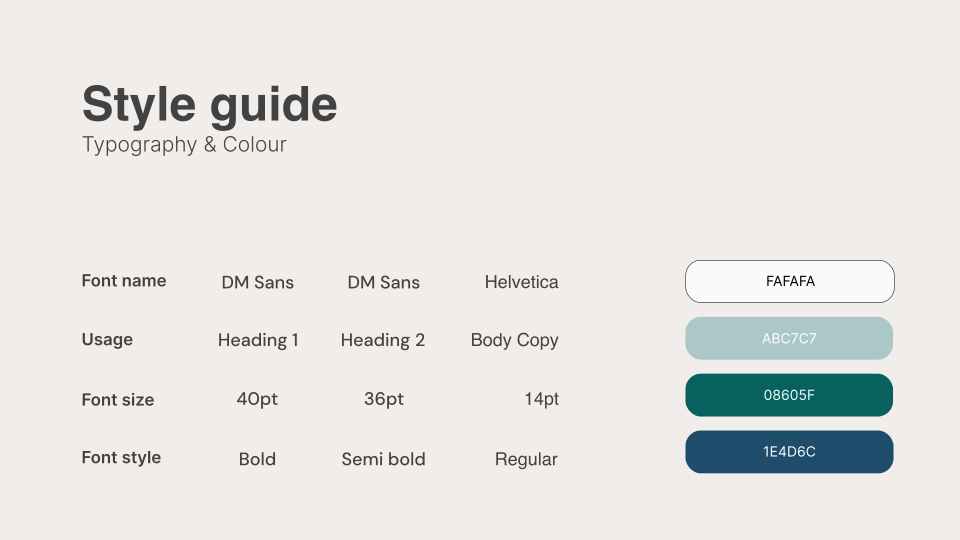
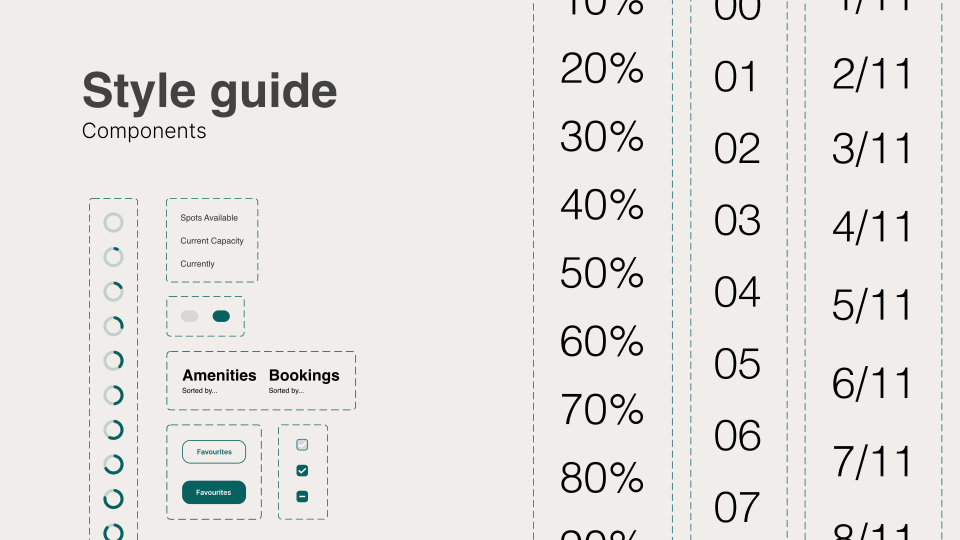
Style Guide
We created a style guide to establish the visual identity and ensure consistency across our solution.
User Testing
We conducted user testing to gather feedback and identify areas for improvement in our solution.
Goals
The goal of this study is to evaluate how residents understand and use a building management app designed to provide real-time information about shared amenities such as the party room, sauna, gym, visitor parking, EV chargers, etc.
Method
We used two main methods for this study: in-home usability testing and remote sessions conducted via phone calls. Five participants are asked to complete tasks while using the high-fidelity Figma prototype on a mobile device, using a think-aloud method, where they explain what they are doing and why.
Task Design
Tasks are designed to be short (under one hour total) and to reflect everyday situations that residents might encounter while using the app. Participants were asked to complete the following tasks:
Check Availability
See which amenities are available right now, where they’re located, and how busy they are so you can decide if it’s a good time to go.
Report Issues
Report a problem if something is not working.
Check Booking Details
Review your booking details as the date gets closer.
Receive Notifications
Get notified about important updates and changes to your bookings.
Findings
Overall, participants found the app to be useful and easy to navigate. However, there were some areas for improvement identified through the testing process.
Interaction
Participants had trouble finding the booking details after they made a reservation.
Labelling
Participants were confused about how to report an issue with an amenity.
Affordance/Usability
Participants expressed a desire for more detailed information about the amenities, such as photos and user reviews.
Navigation Clarity
Participants suggested adding a feature to allow users to see the availability of amenities in real-time, rather than just showing the schedule.